

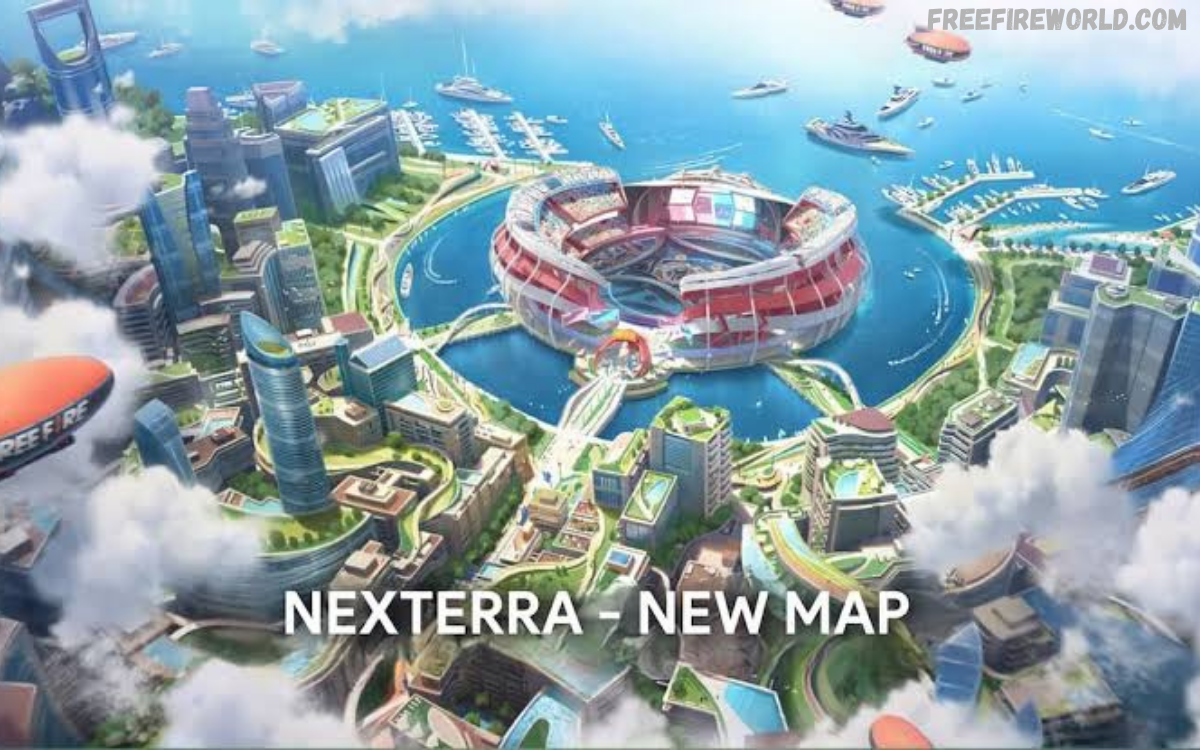
The Free Fire map update can significantly change how players approach Battle Royale matches. A new or redesigned map can introduce fresh locations, different terrain, new rotations, improved visuals, and strategic opportunities.
Map updates are important because the environment directly affects movement, looting, combat, positioning, and survival. New buildings can create close-range fights, open areas can reward accurate shooting, while elevated positions can provide useful visibility.
Free Fire New Map Update Overview
The Free Fire new map update gives players a refreshed environment for battle royale matches. Map changes can include redesigned structures, new points of interest, altered roads, additional cover, and visual improvements. These elements can make familiar gameplay feel different while encouraging players to explore new areas.
A map update can also influence match pacing. Players may find more loot in certain locations, while other areas may become better suited for tactical engagements. Learning the updated environment is therefore important for players who want to improve their rotations and make better decisions throughout each match.
New Map Locations and Points of Interest
New locations are among the most noticeable parts of a map update. Points of interest can include towns, compounds, warehouses, industrial zones, bridges, towers, and other structures designed to create different combat situations.
Players should spend time exploring these areas before relying on them during competitive matches. Understanding entrances, exits, rooftops, open spaces, and nearby roads can make movement easier.
Map Design Changes
Map design affects almost every part of a Free Fire match. Changes to terrain, buildings, roads, bridges, and open areas can alter common movement routes. Even a small structural change can create a new fighting position or make an old rotation less effective.
Updated environments also encourage players to rethink their familiar strategies. Routes that previously provided quick access between locations may no longer be optimal. Players should observe the updated terrain carefully and identify alternative paths that provide cover while keeping travel time manageable.
Improved Terrain and Environment
Terrain improvements can make the map more interesting and strategically diverse. Hills, slopes, rivers, roads, buildings, and vegetation can influence visibility and movement. Different terrain types require players to adjust their positioning depending on the situation.
Natural and artificial cover can also become important during rotations. Players moving through open terrain may be vulnerable to opponents holding elevated positions. Using buildings, rocks, walls, trees, and other available cover can reduce exposure and create safer movement opportunities.
New Loot Opportunities
Loot distribution is an important part of every Battle Royale map. A new map can introduce different loot areas, changing where players search for weapons, armor, ammunition, healing items, and other equipment. High-value areas may attract more players and create intense early-game encounters.
Players should balance loot quality with survival potential. Landing in a heavily contested area can provide fast access to equipment but may also increase the risk of an early elimination. Less crowded locations can offer a slower and safer start, allowing players to prepare before entering larger fights.
Best Landing Strategy
Choosing a landing location matters even more after a map update. Players should consider their preferred playstyle, expected enemy activity, available loot, and nearby rotation routes. Aggressive players may prefer busy areas, while survival-focused players may choose quieter locations.
A good landing strategy should also consider the first safe-zone movement. Landing near the center of the map can provide flexibility, but it doesn’t always guarantee safety. Players should know nearby roads, vehicles, buildings, and alternative routes so they can adapt quickly when the safe zone changes.
Early Game Strategy
The early game usually revolves around collecting equipment and establishing a strong position. After landing on an updated map, players should quickly locate a suitable weapon, defensive equipment, ammunition, and healing supplies.
Players should also listen for nearby combat and observe enemy movement. If another squad lands in the same area, positioning becomes more important than collecting every available item.
Mid Game Rotation
The mid game is where map knowledge becomes increasingly valuable. As the safe zone changes, players need to rotate efficiently while avoiding unnecessary exposure. Updated roads, buildings, bridges, and terrain can create new rotation options that didn’t exist before.
Players should avoid predictable movement whenever possible. Rotating through open areas without cover can make a squad an easy target. Using terrain and structures strategically can provide safer paths while preserving useful resources for later stages of the match.
Late Game Positioning
Late-game positioning becomes critical because the playable area becomes smaller and surviving players are usually more concentrated. A strong position can provide cover, visibility, and multiple movement options. Players should avoid becoming trapped against terrain or structures with limited exits.
High ground can sometimes provide an advantage, but it should not automatically be considered safe. Other players may already be watching elevated positions, and staying in one place too long can reveal your position. A flexible position with cover and multiple escape routes can be more useful.
Close-Range Combat Areas
Buildings and compact locations often create close-range combat. Narrow rooms, corridors, stairways, and small compounds can limit movement and reduce engagement distances. Players entering these areas should remain alert and avoid rushing blindly into unknown rooms.
Close-range encounters also reward quick decision-making. Checking corners, listening for footsteps, and using available cover can help players react more effectively. Understanding each building’s layout can make it easier to predict possible enemy positions.
Long-Range Combat Areas
Open terrain and elevated areas can create opportunities for long-range engagements. Players with suitable weapons can use distance and visibility to pressure opponents moving between locations. However, open positions can also expose the player to attacks from multiple directions.
Good long-range positioning requires awareness of surrounding terrain. Players should avoid focusing on a single opponent for too long if another squad could approach from behind. Keep cover nearby so the player can disengage when the situation becomes unfavorable.
Vehicle Routes and Movement
Vehicles can become especially useful on large or redesigned maps. They can reduce travel time and help players reach the safe zone when the next zone appears far away. Players should identify major roads and open routes that let them move faster between locations.
However, vehicles can also attract attention because their movement and sound may reveal a squad’s general location. Players should decide when speed is more important than stealth. After reaching a suitable area, leaving the vehicle and continuing on foot may provide a quieter approach.
Safe Zone Strategy
The safe zone determines how players move around the map. A strong understanding of the updated environment can make zone rotations more efficient. Players should watch the zone early and avoid waiting until the last moment to move.
Buildings and terrain near the edge of the safe zone can provide useful temporary positions. However, players should remain prepared for another zone shift. Staying flexible lets squads relocate without getting trapped by opponents or difficult terrain.
Squad Strategy on the New Map
Team coordination becomes even more important when the environment changes. Squad members should communicate important information about enemy positions, available loot, rotation routes, and safe areas. Clear communication can prevent multiple players from making the same movement mistake.
Teams should also maintain reasonable spacing. Staying too close can make the squad vulnerable to a single attack, while spreading too far apart can make assistance difficult. A balanced formation allows players to support one another without unnecessarily exposing the whole team.
Solo Strategy on the Updated Map
Solo players need to rely heavily on awareness and positioning. Without teammates providing information or backup, every movement decision matters more. Players should avoid unnecessary fights when the potential reward is low.
Map knowledge can provide a major practical benefit for solo players. Knowing alternative routes, quiet landing areas, cover positions, and escape paths can help compensate for the lack of team support. A player who understands the environment can make more informed decisions throughout the match.
Best Weapons for Different Map Areas
Weapon selection should reflect the environment. Close-range areas generally favor weapons designed for fast engagements, while open spaces can make weapons with greater effective range more useful. Players should consider where they expect most of their fights to occur.
A balanced weapon loadout can provide flexibility. One weapon can handle close encounters while another can support medium- or longer-range engagements. The ideal combination depends on individual preference, available loot, and the specific terrain around the player.
How to Learn the New Map Quickly
The fastest way to learn a redesigned environment is through repeated exploration. Players should visit different areas during several matches and pay attention to buildings, roads, elevation, cover, and loot locations. Taking time to understand the layout can improve confidence during real matches.
Players can also create mental landmarks. Large buildings, bridges, towers, unique structures, and distinctive terrain features can make navigation easier. Instead of memorizing every small detail, focus first on major locations and the routes connecting them.
Common Mistakes After a Map Update
One common mistake is using old strategies without considering environmental changes. A rotation that worked previously may now expose players to different angles or take longer than expected. Players should treat the updated map as a new environment rather than assuming everything works exactly as before.
Another mistake is landing in popular locations without preparation. New points of interest may attract large numbers of players because everyone wants to explore them. Players should understand the risk before choosing a highly contested landing area and prepare for immediate combat when necessary.
How Map Changes Affect Gameplay
Map changes can influence the overall pace of matches. Additional structures may increase close-range encounters, while wider open areas can encourage longer engagements. Terrain changes can also affect how squads rotate and where they choose to establish defensive positions.
The impact of a map update becomes clearer after players experience several matches. Some areas may become popular because of their loot or strategic location, while others may remain relatively quiet. Observing these patterns can help players make better landing and rotation decisions.
Read Also: Free Fire New Feature Update: Latest Features, Changes, and Gameplay Improvements
Tips for Surviving the New Map
Players should prioritize awareness, positioning, and efficient movement. Before entering an unfamiliar location, consider possible enemy positions and available exits. Avoid moving through large open areas without a clear reason when safer alternatives are available.
Resource management is equally important. Players should maintain enough ammunition and healing supplies for later fights instead of using everything during early engagements. A strong position combined with sufficient resources can become increasingly valuable as the match progresses.
Free Fire New Map Update and Competitive Gameplay
Competitive players often pay close attention to environmental changes because small map differences can influence positioning and rotations. Teams may study landing locations, zone patterns, terrain advantages, and common engagement areas to improve their match preparation.
The Free Fire new map update can therefore create opportunities for players who adapt quickly. Instead of depending entirely on previous habits, players can study the updated environment and develop new routes. This approach can make gameplay more deliberate and reduce mistakes caused by outdated map knowledge.
Map Exploration for New Players
New players can use the updated map as an opportunity to learn fundamental Battle Royale concepts. Exploring different areas teaches players how terrain, cover, buildings, weapons, and safe zones interact during matches. This knowledge can be useful even when the map changes again.
Beginners should avoid worrying about mastering every location immediately. Learning major landmarks and understanding basic movement patterns is a practical starting point. Over time, repeated matches naturally improve navigation, positioning, and awareness.
How Updates Keep Free Fire Fresh
Regular map changes can help maintain variety within Battle Royale gameplay. When players become familiar with an environment, redesigned areas can introduce new challenges and encourage different strategies. This can make familiar gameplay feel less repetitive.
Map updates can also give players reasons to revisit locations they previously ignored. A redesigned area may offer different loot, better cover, new routes, or alternative combat opportunities. Exploring these changes helps players understand how the overall match experience has evolved.
Frequently Asked Questions
What is the Free Fire new map update?
The Free Fire new map update introduces changes to the Battle Royale environment, such as redesigned locations, terrain adjustments, structures, routes, and gameplay areas. These changes can create new strategies and combat opportunities.
What changes can players expect from a new Free Fire map?
Players may encounter new points of interest, updated buildings, modified terrain, different loot areas, improved visuals, and new rotation routes. Exact changes depend on the specific update released by Garena.
How should I learn the Free Fire new map update?
Explore different locations across several matches and identify major landmarks, buildings, roads, elevated areas, cover positions, and rotation routes. Repeated exploration makes navigation easier.
Does the new map change Free Fire gameplay?
Yes. Changes to terrain, structures, loot locations, and movement routes can affect landing decisions, rotations, positioning, and combat strategies.
What is the best landing strategy on the updated map?
Choose a landing location according to your playstyle. Popular areas may provide more loot but can attract more opponents, while quieter locations can offer a safer start.
How can I improve my rotations on the new map?
Study the safe-zone movement, identify roads and covered routes, and learn alternative paths between important locations. Avoid predictable movement through exposed areas whenever possible.
Are vehicles useful on the updated Free Fire map?
Vehicles can help players cover long distances quickly and reach the safe zone. However, vehicle movement and sound can reveal a player’s location, so use them based on the situation.
How does the new map affect squad gameplay?
Squads need stronger communication and coordination when adapting to environmental changes. Sharing information about enemy positions, loot, routes, and safe areas can improve team movement.
Is the updated map suitable for solo players?
Yes. Solo players can benefit from learning quiet landing locations, escape routes, cover positions, and important landmarks. Good map awareness is particularly valuable when playing without teammates.
Can the Free Fire map change again in future updates?
Map designs can change through future game updates. Players should check official Free Fire announcements and patch information for confirmed details about upcoming map changes.
Conclusion
The Free Fire new map update highlights one of the most important parts of battle royale gameplay: the environment.
Players can get the most from the updated map by exploring it carefully, studying important locations, improving rotation decisions, and adapting their loadouts to different combat situations.
