

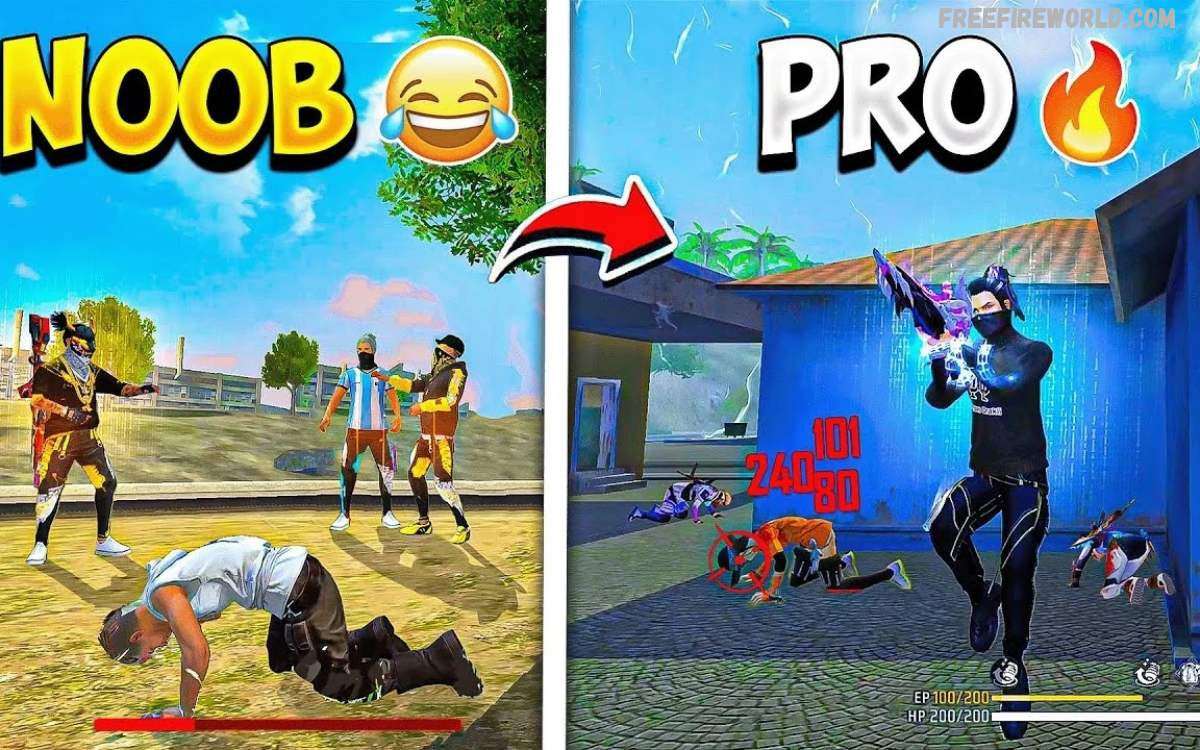
Free Fire tips and tricks help players improve gameplay, develop smarter strategies, and make better decisions during every match. Whether you are a beginner or an experienced player, learning movement techniques, weapon control, character abilities, and survival strategies can improve your performance.
Free Fire rewards players who combine quick reactions with smart planning. Winning takes more than accurate shooting; positioning, resource management, teamwork, and awareness also matter.
Understand the Free Fire Gameplay Basics
Free Fire is a Battle Royale game where players compete to survive as the playable area gradually shrinks. Success depends on collecting gear, choosing good positions, avoiding unnecessary fights, and adapting to changing situations.
New players should spend time understanding the controls, map locations, weapon categories, and available character abilities. Practicing these fundamentals helps players react more confidently during combat.
Choose the Best Landing Location
Landing location can influence the entire match because different areas offer different levels of equipment, competition, and risk. Popular locations often contain valuable supplies but attract many opponents. Quieter locations may provide safer opportunities to collect weapons, armor, ammunition, and healing items before entering combat.
Choose a landing location according to your experience and preferred playstyle. Beginners can start in less crowded areas to practice looting and movement, while experienced players may prefer contested locations for early combat. Always watch for nearby opponents during descent and prepare an alternative landing spot when needed.
Improve Your Aiming Accuracy
Accurate aiming is one of the most valuable skills in Free Fire because it helps players defeat opponents while managing ammunition efficiently. Spend time practicing crosshair placement, target tracking, and controlled shooting. Keeping your crosshair near an opponent’s upper body reduces the adjustments you need when combat begins.
Avoid moving your aim randomly during an encounter. Track your opponent’s movement, adjust your position, and fire controlled bursts when your weapon allows. Training Ground practice can help you understand weapon recoil and sensitivity settings. Consistent practice is more useful than changing settings after every unsuccessful match.
Adjust Sensitivity Settings Carefully
Sensitivity settings influence how quickly your camera and aim respond to movement. Good settings can make target tracking feel smoother, but no single configuration works perfectly for every player. Device performance, screen size, control layout, and personal habits all influence which settings feel comfortable.
Begin with a balanced sensitivity configuration, then test it in the Training Ground. Adjust individual settings gradually rather than changing everything at once. If your crosshair frequently moves beyond the target, try a small adjustment and practice again. Keep settings consistent long enough to develop reliable muscle memory.
Master Movement Techniques
Movement helps players avoid incoming fire, reposition during combat, and reach safer locations. Running in predictable straight lines can make movement easier for opponents to track. Use changes in direction, nearby cover, jumps when appropriate, and careful positioning to make encounters less predictable.
Avoid jumping constantly without considering the situation, because unnecessary movement can disrupt your aim and expose your position. Combine movement with observation and controlled shooting. Learning when to move, when to stop, and when to retreat can improve combat decisions and help you survive longer during difficult encounters.
Learn How to Use Gloo Walls
Gloo Walls provide temporary cover and can create opportunities to recover, reposition, or escape dangerous encounters. Deploying them quickly helps when an opponent has a clear line of sight. Practice placing cover between yourself and incoming fire while leaving enough room to move toward a safer position.
Use Gloo Walls strategically instead of placing them without a plan. They can protect healing attempts, block exposed approaches, and help you cross dangerous areas. Watch your surroundings before deploying a wall because opponents may approach from another direction.
Select Weapons According to Your Playstyle
Weapon selection affects combat distance, movement, ammunition management, and overall effectiveness. Assault rifles provide flexibility across many situations, while shotguns can be effective in close-range encounters.
Choose weapons that complement each other rather than carrying equipment for the same situation without a clear reason. Pair a close-range weapon with a versatile rifle to stay flexible across different encounters.
Practice Recoil Control
Recoil causes a weapon’s aim to move while firing, making sustained shooting less accurate. Learning how each weapon behaves helps players maintain better control in combat. Practice firing at stationary targets before moving on to tracking exercises that require you to follow targets across different positions.
Use short bursts when appropriate, especially at medium or long distances. Avoid holding the firing button continuously if recoil makes your shots miss.
Improve Headshot Techniques
Headshots can increase damage with suitable weapons, making precise aim an important combat skill. Start by placing your crosshair near the upper body and learning how small aiming adjustments affect your shots. Practice controlled upward movements instead of relying on fast gestures or random shooting.
Different weapons require different approaches because firing speed, recoil, and combat distance influence accuracy. Spend time learning these differences in the Training Ground. Avoid copying another player’s sensitivity settings without testing them on your own device.
Learn Character Abilities
Character abilities can influence movement, healing, information gathering, and combat performance. The most useful choice depends on your role, preferred weapons, and team strategy. Some abilities support aggressive play, while others help with survival or provide advantages during specific situations.
Read each character’s current ability description before building a combination. Consider how abilities work together rather than selecting characters based only on popularity. Game updates may change ability effects, so review the current in-game descriptions when planning a setup.
Build a Balanced Character Combination
A balanced character combination should support your main objectives without creating unnecessary complexity. For example, an aggressive player may prioritize abilities that support engagement, while a defensive player may favor healing, mobility, or information-based benefits.
Experiment with different combinations in casual matches before relying on them in ranked games. Observe whether an ability helps you survive longer, move more efficiently, or handle common combat situations. Replace abilities that rarely contribute to your strategy.
Manage Health and Healing Items
Health management is essential because entering combat with low health can leave you vulnerable to even a brief attack. Carry a practical supply of healing items and use them when conditions allow.
Avoid waiting until your health becomes critically low before planning a recovery. After a fight, quickly assess your health, ammunition, equipment, and surroundings. Don’t assume an area is safe just because one opponent has been eliminated.
Collect Loot Efficiently
Looting provides weapons, ammunition, armor, healing items, and other equipment you need to survive. However, spending too much time searching buildings can expose you to opponents or put you behind the safe zone. Prioritize essential supplies and avoid collecting items that offer little benefit to your current setup.
Create a simple looting routine focused on a reliable weapon combination, enough ammunition, healing resources, and useful utility items.
Understand the Safe Zone
The safe zone determines where players can remain without taking damage from the shrinking play area. Watch the zone timer and map to plan rotations before movement becomes urgent. Waiting too long can force you into exposed routes or leave you vulnerable while other players control the available entrances.
Move toward the safe zone with enough time to adapt if opponents block your preferred route. Use buildings, terrain, and available cover to reduce exposure while traveling. The shortest route isn’t always the safest, so consider enemy positions and your current gear. Good zone awareness can prevent unnecessary damage and improve your endgame opportunities.
Choose Better Positions During Combat
Positioning often determines whether an encounter becomes manageable or dangerous. High ground, solid cover, and clear escape routes can give you a real advantage. Before attacking, consider where your opponent might retreat and whether another enemy could approach from a different direction.
Avoid staying exposed after firing, as opponents may identify your position. Relocate when necessary and use the surrounding environment to limit incoming fire. Buildings and natural cover can support defensive play, while elevated positions may improve visibility when the situation allows. Select positions that provide both protection and options for movement.
Learn When to Fight and When to Retreat
Not every encounter deserves immediate engagement. Fighting an opponent while low on health, poorly equipped, or exposed can create unnecessary risk. Assess your equipment, available cover, surrounding threats, and escape options before deciding whether to attack.
Retreating can be a smart decision when an encounter offers little benefit. Move toward cover, recover if possible, and reassess your next action. On the other hand, avoid retreating automatically whenever an opponent appears. Learn to recognize favorable opportunities, such as strong positioning or an advantage in available resources, and act accordingly.
Improve Close-Range Combat
Close-range encounters require fast reactions, controlled movement, and the right weapon choice. Shotguns and submachine guns can perform well at short distances, depending on their characteristics and the situation. Practice tracking moving opponents while maintaining enough control to place accurate shots.
Don’t rely on movement alone; fast actions cannot replace good aim. Use nearby cover to break an opponent’s line of sight and reposition when necessary. Learn the effective range of your preferred weapon, and avoid forcing it into situations where another weapon would be better suited. Regular practice builds confidence in sudden encounters.
Read Also: Free Fire Mystery Shop: Latest Rewards, Discounts, and Event Guide
Develop Long-Range Shooting Skills
Long-range combat requires patience, awareness, and an understanding of weapon accuracy. Choose a position where you can observe opponents without staying unnecessarily exposed. Use scopes when available and account for the difficulty of tracking moving targets over greater distances.
Avoid firing repeatedly without considering whether your shots are connecting. Controlled shooting can preserve ammunition and make it easier to reassess your aim. After revealing your position, consider relocating before opponents return fire. Long-range weapons work best when paired with good positioning, clear target selection, and an escape plan.
Use Sound to Detect Opponents
Audio cues can provide valuable information about nearby activity. Footsteps, gunfire, vehicles, and other in-game sounds may help you estimate where opponents are moving or fighting. Learning to recognize these cues allows you to prepare for encounters instead of reacting only after an enemy appears on screen.
Use comfortable audio settings and avoid distractions when possible. Headphones may help distinguish directional sounds on supported devices, but the experience depends on your equipment and game settings. Do not rush toward every sound automatically. Observe your surroundings and decide whether investigating the noise supports your current strategy.
Improve Teamwork in Squad Matches
Teamwork matters most in squad matches because coordinated actions can improve survival and combat effectiveness. Clearly communicate enemy locations, available supplies, movement plans, and immediate dangers. Staying close enough to support teammates reduces the risk of losing players one by one in separate encounters.
Avoid rushing into fights without considering your team’s position. If a teammate is under pressure, evaluate whether you can provide cover or help safely. Share useful equipment when needed and coordinate rotations toward the safe zone. A squad with clear communication and sensible positioning often handles difficult situations better than players acting independently.
Revive Teammates Safely
Reviving a teammate can restore your squad’s fighting strength, but doing so in an exposed location may create more problems. Before starting a revival, inspect nearby cover and listen for active opponents. If possible, make sure the immediate area is reasonably secure and coordinate with surviving teammates.
Use available defensive utility when appropriate and avoid repeating the same exposed approach after a failed attempt. Sometimes moving to a safer position or dealing with a nearby threat first is better. Protecting your remaining squad members is also important, so balance the urgency of a revival with the danger around your team.
Avoid Common Beginner Mistakes
Common mistakes include rushing into every gunfight, ignoring the safe zone, carrying the wrong weapons, and spending too much time looting. These habits can make matches harder even if a player has solid aim. Reviewing your decisions after each match can reveal patterns you need to improve.
Focus on correcting one mistake at a time instead of changing your entire strategy after every loss. For example, prioritize better positioning if you frequently get eliminated while crossing open ground. If you run out of ammo during fights, review your looting and firing habits. Small, consistent improvements can lead to stronger decision-making over time.
Create a Consistent Practice Routine
A useful practice routine combines aiming, movement, weapon familiarity, and real-match experience. Spend time in the Training Ground testing weapons and adjusting controls before entering regular matches. Practice tracking targets, controlling recoil, using cover, and switching between weapons comfortably.
After practice, apply these skills in matches and observe which techniques work under pressure. Don’t measure improvement only by wins, because match outcomes also depend on teammates, opponents, and changing circumstances.
Optimize Free Fire Controls for Your Device
Your control layout should allow comfortable movement, aiming, shooting, and access to important actions. Hard-to-reach buttons can delay reactions, while an overcrowded layout can make controls confusing. Customize the arrangement according to your device, hand position, and personal comfort.
Test changes in short sessions and make adjustments gradually. Avoid copying a professional player’s layout without considering differences in screen size or playing style. Keep important controls accessible, and make sure your fingers can perform common actions without unnecessary movement.
Improve Performance on Android Devices
Stable performance can help you react more consistently during combat. Close unnecessary background apps when appropriate, keep enough storage free, and use graphics settings that suit your device. If the game offers performance-focused options, test them to balance visual quality with smooth gameplay.
A reliable internet connection also matters because network delays can affect how actions appear during matches. Use a stable connection when possible and avoid unnecessary downloads while playing. Keep the game updated through official sources, and check device settings if you experience repeated lag. Better performance cannot guarantee victories, but it can make gameplay more comfortable.
Understand Ranked Match Strategy
Ranked matches reward players who make decisions that support consistent performance. Aggressive combat can create elimination opportunities, but careless engagements can end a promising match early. Consider your current equipment, team strength, zone position, and available cover before committing to a fight.
Develop a strategy that suits your skill level rather than copying the most aggressive players. Some matches may favor early combat, while others reward careful rotations and survival. Review the current ranked rules because scoring systems and seasonal mechanics may change.
Improve Your Endgame Decisions
The final stages of a Battle Royale match can be challenging because the playable area shrinks and surviving opponents may hold strong positions. Avoid unnecessary movement that reveals your location, and observe nearby threats before committing to a fight.
Use available cover and avoid entering the final area without a clear plan. Pay attention to zone movement and consider where opponents may be positioned. When multiple enemies remain, patience can help because opponents may engage one another before turning their attention to you.
Learn from Every Match
Every match offers a chance to understand your strengths and identify areas for improvement. Consider where you landed, how efficiently you collected equipment, whether your fights were necessary, and what caused your elimination. This review helps you identify decisions that you can change in future matches.
Avoid blaming every defeat on aim, teammates, or luck. Some situations are unpredictable, but many mistakes can be corrected through practice and better planning. Focus on useful lessons instead of getting frustrated with individual results.
Follow Game Updates and New Features
Free Fire updates may introduce balance adjustments, events, new features, and changes to character abilities or weapons. Staying informed helps you understand how these changes might affect your preferred strategies. Official patch notes and in-game announcements are good places to check for the latest information.
After a major update, test relevant changes before using them in competitive matches. Weapon adjustments or character ability changes may influence equipment choices and combat approaches. Don’t rely entirely on outdated guides, because game mechanics can evolve.
Frequently Asked Questions
How Can Beginners Improve in Free Fire?
Beginners can improve by practicing aim, learning movement controls, choosing suitable landing locations, and understanding basic weapon characteristics. Playing consistently and reviewing mistakes can help build confidence. Focus on positioning and survival before attempting difficult combat techniques.
Which Weapon Is Best for Free Fire?
No single weapon is best for every situation. Assault rifles offer versatility, shotguns suit many close-range encounters, and sniper rifles support longer-range combat. Test different weapons and select those that match your preferred distance and playstyle.
How Can I Improve My Headshots?
Practice crosshair placement, controlled aiming movements, and recoil management in the Training Ground. Learn how your preferred weapons behave and adjust sensitivity gradually. Consistent technique is more reliable than depending on random movements or copying another player’s settings.
Are Character Skills Important in Free Fire?
Character skills can support different strategies, including aggressive combat, movement, healing, and team support. Choose abilities that complement your playstyle and work well together. Review current in-game descriptions because ability effects may change after updates.
How Can I Survive Longer in Battle Royale?
Choose a suitable landing spot, gather essential gear, track the safe zone, and avoid unnecessary fights. Use cover while moving and maintain enough healing supplies. Good positioning and awareness can improve your chances of reaching the final stages.
What Is the Best Way to Practice Free Fire?
Combine Training Ground exercises with regular matches. Practice aim, recoil control, movement, and weapon switching before applying these skills in real combat. Review your performance and work on one improvement goal at a time.
Conclusion
Free Fire tips and tricks can help players improve aim, movement, weapon control, and survival strategies. Learning the map, managing resources, choosing the right character abilities, and understanding combat positioning can improve decision-making across different game modes.
Focus on gradual improvement instead of expecting instant results. Experiment with settings, learn from mistakes, communicate with teammates, and adapt your strategy to the battlefield.
