

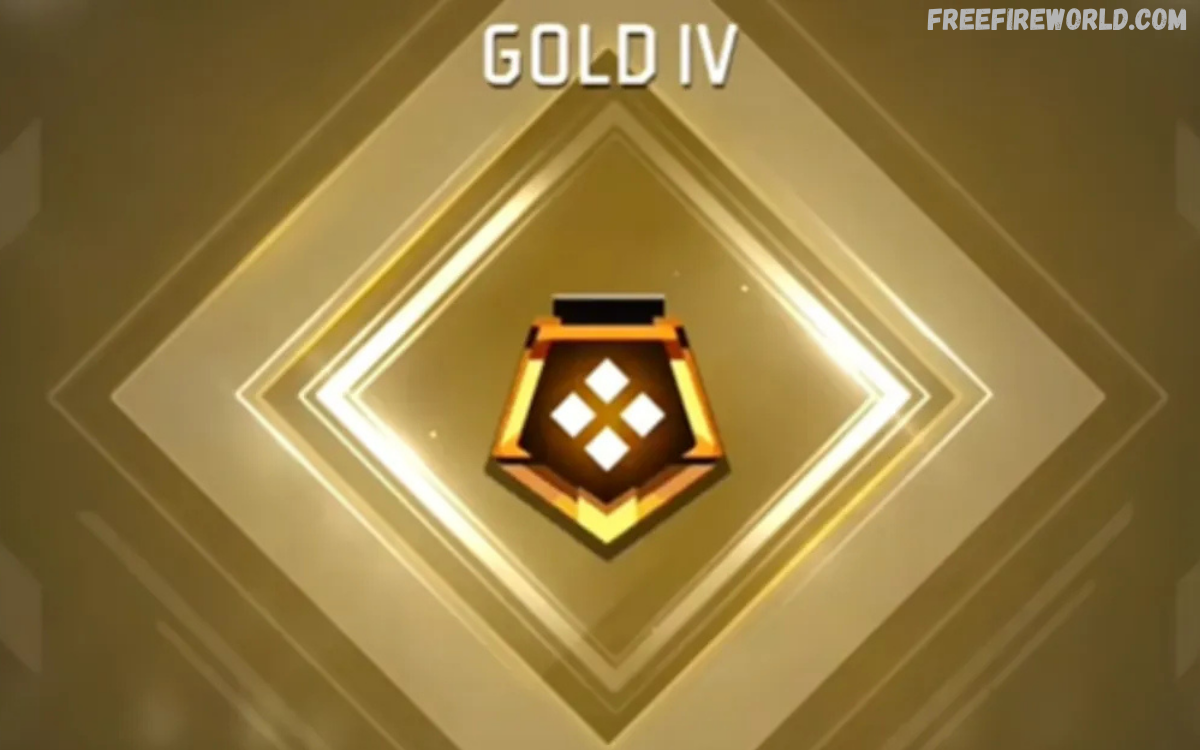
Rank Gold Free Fire represents an important stage in the competitive progression system. Players entering Gold generally face more experienced opponents, making positioning, movement, decision-making, and match consistency increasingly important.
The exact progression system can change across seasons and game modes, so players should check the current in-game Ranked interface for active requirements.
Understanding Gold Rank Progression
Rank progression depends on performance across ranked matches, not simply playing a large number of games. Survival, eliminations, placement, objectives, and overall match performance can contribute to progression depending on the active ranked mode and its rules.
Older published rank guides commonly describe Gold as a multi-stage tier, such as Gold I through Gold IV, with progression toward Platinum after completing the required points.
Why Does Gold Rank Matter in Free Fire
Reaching Gold usually indicates that a player has progressed beyond the introductory ranked stages and is beginning to compete against a wider range of experienced players.
Gold also offers a useful stage to build habits before moving into higher tiers. Players can use this level to improve map awareness, movement, decision-making, communication, and consistency without focusing entirely on aggressive elimination hunting.
Rank Gold Free Fire Strategy
A strong Rank Gold Free Fire strategy starts with consistency. Instead of entering every encounter immediately, evaluate the surrounding area, available resources, enemy positions, and safe-zone direction before committing to a fight.
Another important principle involves adapting to each match rather than following one fixed routine. A crowded starting area may lead to rapid engagements, while a quieter location can give you more time to prepare.
Focus on Survival and Placement
Survival remains an important part of ranked gameplay because reaching later stages of a match offers more opportunities to make meaningful progress.
Good positioning can improve survival without requiring passive gameplay. Move according to the safe zone, use available cover, monitor nearby activity, and avoid unnecessary exposure. The goal should be controlled movement combined with carefully selected engagements.
Improve Aim and Movement
Better aim can make ranked matches more consistent because accurate shooting reduces wasted opportunities in encounters. Regular training helps players become familiar with their controls, tracking, timing, and movement patterns while reducing hesitation in real matches.
Movement also plays a major role in competitive gameplay. Practice changing direction, repositioning after engagements, using cover, and maintaining awareness while moving. Strong movement habits can complement accurate aiming and improve overall match control.
Choose a Comfortable Playstyle
Every player approaches ranked matches differently. Some players prefer an aggressive style with frequent engagements, while others prioritize positioning, survival, and carefully selected encounters.
For Gold progression, consistency should remain the primary focus. A player who understands personal strengths can select decisions that produce repeatable results. Gradually improving weaknesses can make the transition toward higher ranks more manageable.
Use Team Communication Effectively
Team-based ranked modes require communication because individual decisions can affect the entire squad. Clear callouts about enemy locations, movement plans, available resources, and rotation timing can help teammates coordinate their actions more effectively.
Avoid unnecessary communication during moments that require concentration. Short and clear information is often easier for teammates to understand than lengthy messages. A coordinated team can respond faster when everyone understands the immediate objective.
Manage the Safe Zone
Safe-zone awareness is essential to ranked gameplay. Waiting until the final moment to rotate can create unnecessary pressure, especially when opponents already control important positions. Checking the zone regularly allows players to plan movement earlier.
Early rotation does not mean moving without preparation. Check available cover, likely enemy positions, and routes before committing. A controlled rotation can reduce exposure and provide better positioning for the next stage of the match.
Select Landing Locations Carefully
Landing location can influence the entire match. Highly contested areas can bring rapid action but may increase early elimination risk, while quieter areas can offer more time to prepare. The best choice depends on the player’s objectives, confidence, and current match strategy.
Players targeting consistent Gold progression can prioritize locations that provide enough resources without forcing unnecessary early fights. After landing, collect essential supplies quickly and set a clear movement plan instead of wandering without direction.
Improve Resource Management
Resource management becomes increasingly useful as matches progress. Carrying the right supplies helps players respond to unexpected encounters and stay ready during rotations. However, collecting excessive items can slow movement and create inefficient inventory management.
Develop a simple inventory routine that prioritizes items supporting the current strategy. Reassess supplies after major encounters and before entering the final stages of a match. Efficient preparation can prevent avoidable problems later.
Learn From Every Ranked Match
Improvement becomes easier when players review their decisions rather than focusing only on the final result. After a match, consider where positioning failed, whether an engagement was necessary, and whether you could have rotated earlier.
Repeated mistakes often reveal specific areas for improvement. If early eliminations happen frequently, review landing choices and initial movement. If late-game positioning causes problems, study zone management and rotation timing.
Avoid Unnecessary Fights
Aggressive gameplay can create exciting moments, but every engagement carries risk. Entering a fight without a clear advantage can reduce survival time and damage overall ranked consistency. Before committing, consider positioning, available resources, escape options, and nearby opponents.
A controlled player does not need to avoid every encounter. Instead, choose engagements where the potential benefit justifies the risk. This approach can create more stable matches while still allowing opportunities for eliminations and progression.
Practice Before Ranked Matches
Training before entering ranked matches can help players become comfortable with controls and movement. Short practice sessions can focus on aiming, camera control, movement patterns, and reaction timing without risking ranked progress.
Keep practice purposeful rather than repetitive. Identify one skill to improve and spend time working on it. Over multiple sessions, small improvements can become reliable habits during ranked matches.
Read Also: FF Account Photo: Complete Guide to Creating a Professional Free Fire Profile
Maintain Consistent Gameplay
Consistency matters more than one exceptional match when progressing through ranked tiers. A single high-performance game can provide a strong result, but repeated sensible decisions create a more dependable progression pattern over time.
Set realistic performance goals for each session. These might include surviving longer, improving positioning, communicating more clearly, or reducing unnecessary engagements. Focusing on controllable improvements can make ranked sessions more productive.
Common Rank Gold Free Fire Mistakes
One common mistake involves chasing opponents without considering the surrounding situation. Players may become focused on an elimination and lose awareness of nearby enemies, the safe zone, or available cover. Maintaining broader awareness can prevent these situations.
Another mistake involves changing strategies after every difficult match. Ranked progress naturally includes setbacks, so one unsuccessful game doesn’t necessarily mean you need to replace your entire approach. Identify the specific problem, adjust it, and continue practicing.
How Long Does Gold Rank Progress Take?
No single timeframe applies to every player because progression depends on performance, ranked mode, season rules, and individual consistency. Players with stronger match results may progress differently from those still developing core gameplay skills.
Instead of measuring progress only by time, track meaningful improvements. Better placement, fewer unnecessary eliminations, stronger rotations, and improved teamwork can indicate progress even when the visible rank changes slowly.
Gold Rank Rewards and Seasonal Changes
Ranked rewards can vary by active season and game mode. Historical Free Fire rank guides document rewards such as currency, rank tokens, banners, vouchers, and other items at different tiers, while official Garena patch information shows that ranked missions and reward mechanics can also change.
Players should therefore check the current Ranked section and official announcements for the active reward structure. Relying on an older reward list can create confusion because previous seasons may have used different requirements, items, or progression systems.
Rank Gold Free Fire and Higher Tiers
Gold provides a useful transition between early ranked progression and more demanding tiers. As players approach Platinum and Diamond, opponents can become increasingly experienced, making fundamentals such as positioning, movement, awareness, and teamwork more valuable.
The most useful preparation is gradual improvement rather than rushing toward a higher badge. Players who build reliable habits in Gold can carry those habits into later tiers and adapt more effectively as match difficulty increases.
Frequently Asked Questions
What Is Rank Gold Free Fire?
Rank Gold Free Fire is a competitive rank tier within Free Fire’s ranked progression system. Published rank references place Gold above Silver and below Platinum, although specific progression details can change between seasons and modes.
How Can Players Reach Gold Rank?
Players can work toward Gold by participating in ranked matches and improving their overall performance. Survival, placement, eliminations, decision-making, and consistent gameplay can all contribute to better ranked results depending on the active mode.
Is Gold Rank Difficult?
Gold can feel more challenging than introductory tiers because players face opponents who are more familiar with movement, positioning, and competitive gameplay. Difficulty varies according to the player’s experience and the current ranked environment.
Should Players Focus on Kills or Survival?
A balanced approach is generally more practical than focusing exclusively on either objective. Players can look for smart elimination opportunities while prioritizing survival, positioning, and strong placement throughout the match.
How Can Players Improve Gold Rank Performance?
Players can improve by practicing aim and movement, learning map rotations, managing resources, communicating with teammates, and reviewing mistakes after matches. Consistent practice can gradually improve decision-making.
Does Free Fire Rank Change Every Season?
Ranked systems use seasons, and progression or rewards can change when a new season begins. Garena has documented season-transition features and ranked countdown information, so players should check the current in-game system for the latest details.
What Comes After Gold Rank?
Platinum generally follows Gold in commonly documented Free Fire rank structures, followed by higher tiers such as Diamond, Heroic, and Grandmaster. Exact structures can vary according to the current game mode and system.
Can Teamwork Help With Gold Rank Progression?
Teamwork can be useful in squad-based ranked modes because coordinated movement, communication, and support can improve decision-making. Players should communicate clearly and avoid unnecessary separation from teammates.
Should Players Change Their Strategy After Losing?
A losing match can provide useful information without requiring a complete strategy change. Review the specific mistake, such as poor positioning or an unnecessary engagement, then make a focused adjustment in the next match.
What Is the Best Way to Stay Consistent?
Consistency comes from repeatable habits. Maintain awareness of the safe zone, choose engagements carefully, practice regularly, communicate clearly, and review gameplay mistakes instead of relying on luck or one successful match.
Conclusion
Reaching Gold in Free Fire marks an important stage for players building stronger competitive habits. Progress becomes more manageable when players combine survival, positioning, movement, resource management, communication, and carefully selected engagements rather than relying on one gameplay feature.
The most effective long-term approach is steady improvement. Practice regularly, review each match, adapt to changing situations, and use the current in-game Ranked information to understand active requirements and rewards.
