

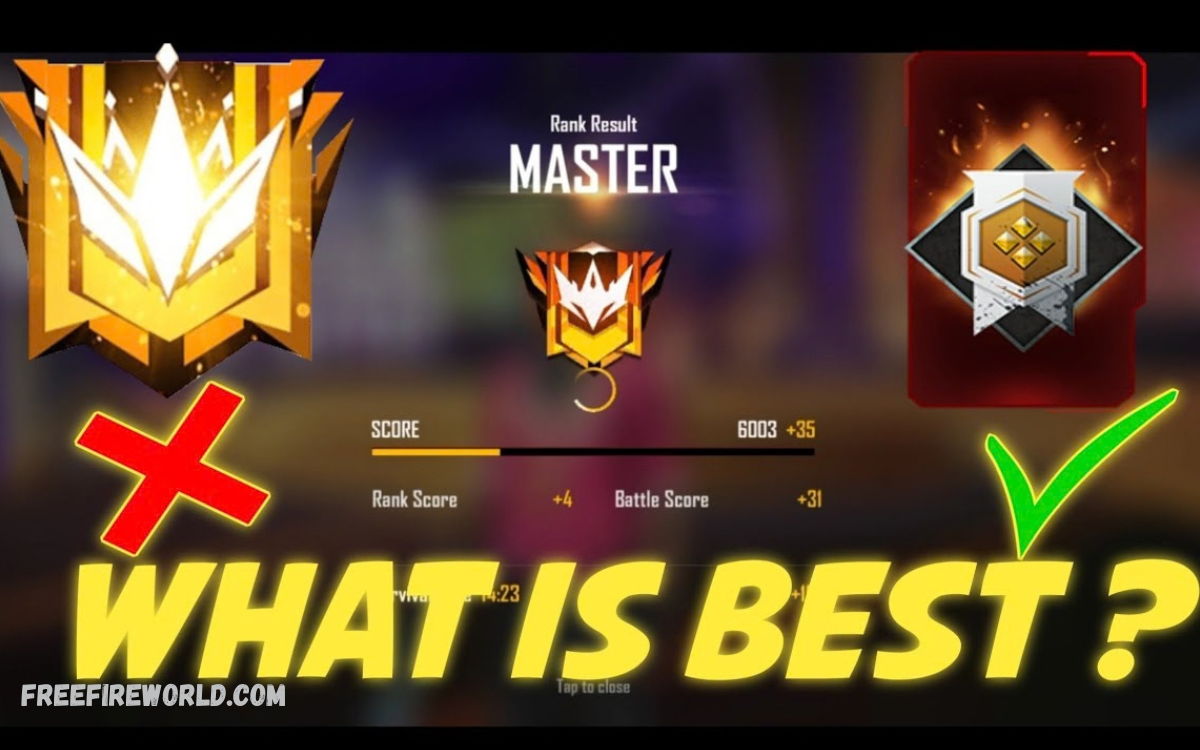
Reaching Grandmaster in Free Fire is a major achievement that takes more than aggressive gameplay. Players need consistent performance, smart positioning, strong decision-making, and effective teamwork to climb through the competitive ranks.
The journey from lower ranks toward Master and Grandmaster becomes increasingly challenging because opponents understand rotations, combat strategies, and resource management. A disciplined approach can help players gain rank points while avoiding unnecessary losses.
How the Grandmaster Rank Works
Grandmaster is one of the most competitive ranks in Free Fire, and reaching it depends on the ranking system used during the active ranked season. Rank requirements and leaderboard conditions can change between seasons and game modes.
Players should always check the current in-game ranked information before setting a specific point target. Instead of relying on an old number, focus on maintaining consistent results throughout the season.
Improve Your Landing Strategy
Landing in a suitable location is one of the first decisions that can determine your performance. Highly contested areas can lead to quick fights and valuable loot, but they also increase the risk of early elimination.
For consistent rank progression, choose locations where you can reliably find weapons, armor, healing items, and other gear. Once properly equipped, rotate toward stronger positions instead of immediately searching for unnecessary fights.
Focus on Survival and Placement
Survival is critical when trying to reach Grandmaster. Eliminations can help your ranking progress, but an aggressive strategy becomes dangerous when it consistently leads to early deaths.
Try to remain alive through the middle and late stages of the match. Reaching a strong final placement while securing several eliminations can create a more reliable path toward Master and Grandmaster.
Choose Weapons That Match Your Playstyle
Weapon selection can significantly affect your performance in ranked matches. Players should understand the strengths of assault rifles, submachine guns, shotguns, sniper rifles, and other available weapons.
Use weapons that complement your preferred combat distance and movement style. Pair a reliable primary weapon with a suitable secondary option for more flexibility when situations change during a match.
Master Movement and Positioning
Movement is an important skill for surviving difficult fights. Players who move predictably become easy targets, while controlled movement makes it harder for opponents to land accurate shots.
Positioning is equally important because high ground, cover, buildings, and natural terrain can provide significant advantages. Before engaging an enemy, consider your available cover and possible escape routes.
Learn When to Fight and When to Rotate
One of the biggest differences between casual and competitive gameplay is knowing when to avoid combat. Not every opponent needs a challenge, especially when the fight offers little strategic value.
If the safe zone is moving or your squad is in a poor position, rotating may matter more than securing an elimination. Smart players recognize when disengaging can preserve their chances of earning a strong final placement.
Use the Safe Zone Effectively
The safe zone should influence your movement throughout the match. Waiting until the last moment to rotate can leave you exposed and force you into unfavorable fights.
Plan rotations early whenever possible and watch the surrounding terrain. Moving toward a strong position before the zone closes can give you better opportunities to defend yourself against approaching opponents.
Improve Your Aim and Accuracy
Good aim is essential for progressing through the higher ranks. Spend time practicing recoil control, crosshair placement, sensitivity settings, and weapon-specific aiming techniques.
Avoid constantly changing your sensitivity without understanding the effect. Find settings that feel comfortable and practice regularly so your movements stay consistent in real ranked matches.
Practice Close-Range Combat
Close-range fights can happen suddenly, particularly around buildings and crowded areas. Shotguns and submachine guns can be effective in these situations when used correctly.
Practice movement, quick aiming, and accurate close-range firing. Learning how to use cover while fighting can also reduce the damage you receive during intense encounters.
Improve Long-Range Combat
Long-range engagements require patience and accurate positioning. Instead of repeatedly exposing yourself, use cover and choose your shots carefully.
A successful long-range player knows when to pressure an enemy and when to reposition. Avoid wasting ammunition on targets that are too far away or protected by strong cover.
Play With a Coordinated Squad
Team coordination becomes increasingly valuable at higher ranks. A squad that communicates effectively can share information about enemy locations, available resources, rotations, and potential threats.
Assigning simple roles can also improve team performance. One player can focus on scouting, another can provide support, while others can handle offensive engagements when necessary.
Communicate During Every Match
Clear communication can prevent unnecessary mistakes. Tell teammates when you see opponents, need help, find useful equipment, or plan to rotate.
Avoid unnecessary arguments or confusing calls during important fights. Short and accurate communication helps everyone understand the situation and respond quickly.
Read Also: Free Fire Four Finger Setting: Complete Guide for Faster Gameplay
Manage Your Resources Carefully
Resource management is another important part of ranked gameplay. Collect ammunition, healing items, armor, grenades, and other equipment based on your expected needs.
Carrying too many items can limit your flexibility, while having too few supplies can cause problems during extended fights. Maintain a practical inventory and share useful resources with teammates.
Avoid Unnecessary Third-Party Fights
Third-party situations can quickly become dangerous because another squad may attack while you are already fighting an opponent. Even after winning the initial engagement, your health and resources may be significantly reduced.
Before committing to a fight, check your surroundings whenever possible. If another team approaches, use cover and reposition instead of getting trapped between multiple opponents.
Study Your Mistakes
Improvement becomes easier when you understand why you lost a match. After being eliminated, think about your positioning, decision-making, aim, rotation, and resource management.
Ask whether the fight was necessary and whether you had a safe escape option. Identifying repeated mistakes can help you gradually develop better habits for future ranked games.
Maintain Consistent Performance
Consistency is one of the most important qualities for reaching Grandmaster. One win followed by several early eliminations can make rank progression much harder.
Set realistic performance goals for each session. Focus on surviving longer, improving placement, securing useful eliminations, and supporting your team instead of obsessing over winning every match.
Avoid Playing When Frustrated
Frustration can negatively affect decision-making. After several losses, players may become overly aggressive and start taking fights they would normally avoid.
Taking a short break can help reset your concentration. Returning with a clear mindset makes it easier to follow your strategy and avoid repeating emotional decisions.
Use Ranked Matches as Practice
Every ranked match provides an opportunity to improve. Instead of focusing exclusively on rank points, pay attention to specific skills you want to develop.
You might dedicate one session to improving rotations and another to close-range combat. This approach helps you improve your overall gameplay while naturally boosting your rank performance.
Best Strategy for Reaching Grandmaster
A reliable Grandmaster strategy combines survival, smart rotations, effective combat, resource management, and teamwork. Players should avoid unnecessary risks while taking advantage of favorable opportunities.
The objective should be consistent high-quality matches rather than constant aggression. A player who survives longer, chooses fights carefully, and communicates effectively can build stronger results over time.
Common Mistakes to Avoid
One common mistake is landing in the busiest location during every match. While early fights can be exciting, repeatedly getting eliminated before developing your equipment can slow rank progression.
Another mistake is chasing opponents too far. An enemy who retreats may be trying to pull you away from your team or into another squad. Always consider the larger situation before continuing a pursuit.
Frequently Asked Questions
What Is Free Fire Master Rank?
Free Fire Master Rank is a high competitive rank that players can reach through strong and consistent ranked-match performance. It requires better decision-making and gameplay than lower-ranked matches.
How Can I Reach Grandmaster in Free Fire?
Focus on consistent match placement, smart eliminations, survival, effective rotations, and teamwork. Avoid unnecessary fights and learn from mistakes after every match.
Is Getting More Kills Enough to Reach Grandmaster?
Kills can contribute to ranked performance, but they should not be your only objective. Survival and final placement are also important, so unnecessary aggression can hurt your progress.
Should I Play Solo or With a Squad?
Both approaches can work, but a coordinated squad can provide communication and tactical advantages. Solo players should focus heavily on positioning, awareness, and independent decision-making.
What Weapons Are Best for Ranked Matches?
No single weapon combination works for everyone. Choose weapons that match your preferred combat range and practice them until you can use them consistently.
How Important Is the Safe Zone?
The safe zone is extremely important because poor rotations can expose you to enemies or force you into dangerous positions. Plan movement early whenever possible.
How Can I Improve My Aim?
Practice regularly and develop consistent sensitivity settings. Focus on crosshair placement, recoil control, movement, and weapon-specific accuracy.
Should I Avoid Every Fight?
No. The goal is to choose fights intelligently. Engage when you have a tactical advantage and avoid battles that offer little benefit or create unnecessary risk.
Why Am I Losing Rank Points?
Repeated early eliminations, poor positioning, unnecessary fights, and inconsistent performances can make rank progression difficult. Review your matches to identify recurring mistakes.
How Long Does It Take to Reach Grandmaster?
The time required varies by ranked season, game mode, individual performance, and amount of gameplay. Consistent results generally matter more than simply playing many matches.
Conclusion
Reaching Grandmaster in Free Fire requires patience, consistency, and strategic gameplay. Strong movement, accurate shooting, smart rotations, resource management, and effective teamwork can significantly improve ranked performance.
Instead of chasing every opponent, focus on making better decisions throughout each match. With regular practice, careful analysis, and a disciplined approach, players can steadily improve their Free Fire Master Rank progress and work toward Grandmaster.
